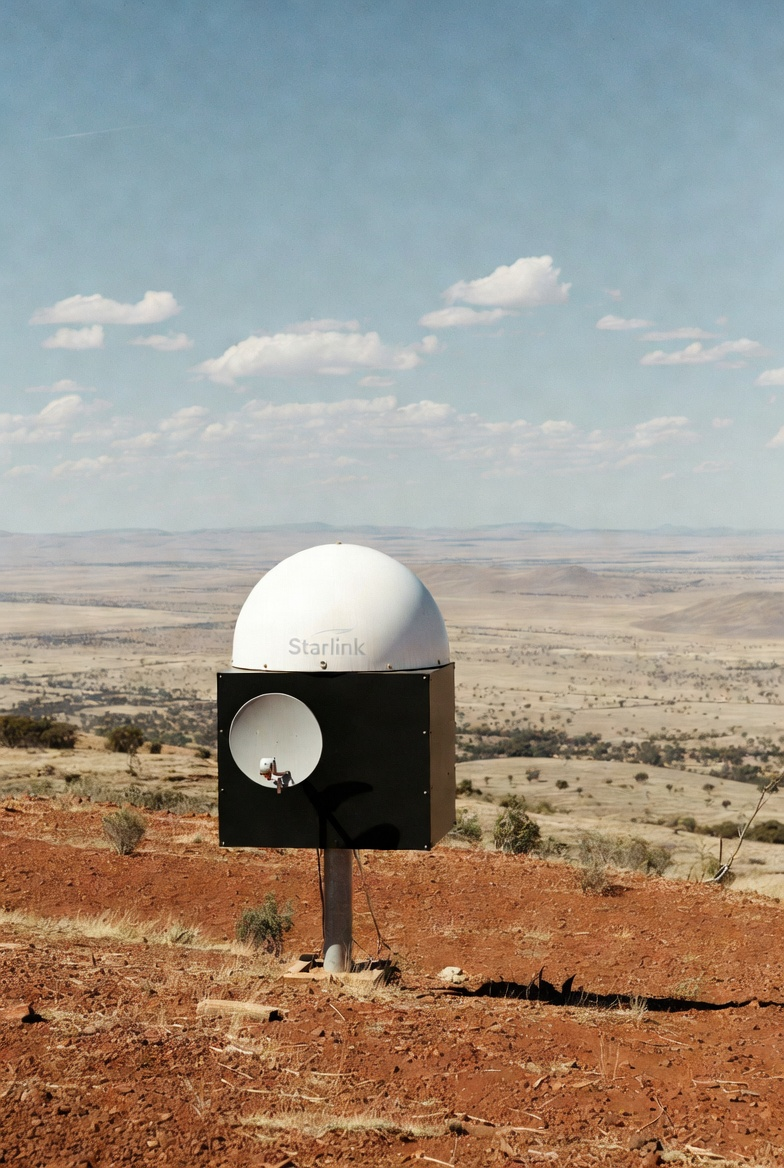
Have you ever been stuck in a beautiful part of the Australian outback but couldn’t even send a simple text message? It’s a common story for many of us. For a long time, living outside the big cities meant dealing with sluggish internet that barely worked when the wind blew the wrong way. But things have changed fast. Starlink Australia has completely flipped the script, offering high-speed, low-latency internet to almost every corner of our vast continent.
Whether you are a digital nomad living in a van, a farmer in regional Queensland, or someone just tired of slow NBN speeds, Starlink is likely on your radar. In this guide, I’ll break down everything you need to know about setting up, what it costs in 2026, and if it’s actually the right fit for your home or travels. Let’s dive into the world of low-Earth orbit satellites and see how they can change your digital life.
Understanding How Starlink Australia Works
Unlike old-school satellite internet that sits way out in space, Starlink Australia uses a massive “constellation” of satellites much closer to Earth. Because they are closer, the data doesn’t have to travel as far. This means when you click a link, things happen almost instantly. This is what we call “low latency.” For those of us who enjoy online gaming or need to hop on a Zoom call for work, this low latency is a total game-changer.
In the past, satellite internet felt like waiting for a letter in the mail. With Starlink, it feels like you are plugged directly into a high-speed fiber line, even if you are in the middle of the Nullarbor. The system uses a phase-array antenna (which most people just call “Dishy”) that automatically tracks these satellites as they zoom across the sky. It’s a clever bit of tech that brings world-class speeds to places the NBN simply hasn’t reached yet.
Starlink Australia Pricing and Plans in 2026
Budget is always the first thing on everyone’s mind. As of April 2026, Starlink Australia has become surprisingly competitive. They have introduced tiered residential plans to suit different needs. If you are a light user, you can get started for as little as $69 per month. For those who want the fastest speeds possible, there are “Max” plans that offer incredible performance for around $139 per month.
One of the biggest shifts recently is how they handle the hardware. In many areas, you no longer have to drop $500+ upfront. Starlink Australia now offers “Standard Kit” rentals for $0 per month on certain plans, or you can buy the kit outright if you prefer to own your gear. They often run promotions where the first few months are discounted, making it easier than ever to give it a try without a massive financial risk.
Real-World Speeds: What Can You Actually Expect?
Numbers on a website are one thing, but real-world performance is what matters when you’re trying to stream Netflix in 4K. Most Starlink Australia users on the standard residential plan see download speeds between 80 Mbps and 200 Mbps. If you opt for the “Max” tier, you could see speeds soaring above 300 Mbps. That is faster than most standard NBN connections in suburban Melbourne or Sydney!
Upload speeds are also solid, usually sitting between 15 Mbps and 40 Mbps. This is plenty for sending large files or maintaining a clear video connection. Of course, since it’s a satellite service, heavy rain or thick tree cover can slow things down. I always recommend using the Starlink app first to check for “obstructions” before you mount your dish. A clear view of the southern sky is your best friend for a stable connection.
The New Starlink Mini: Internet in Your Backpack
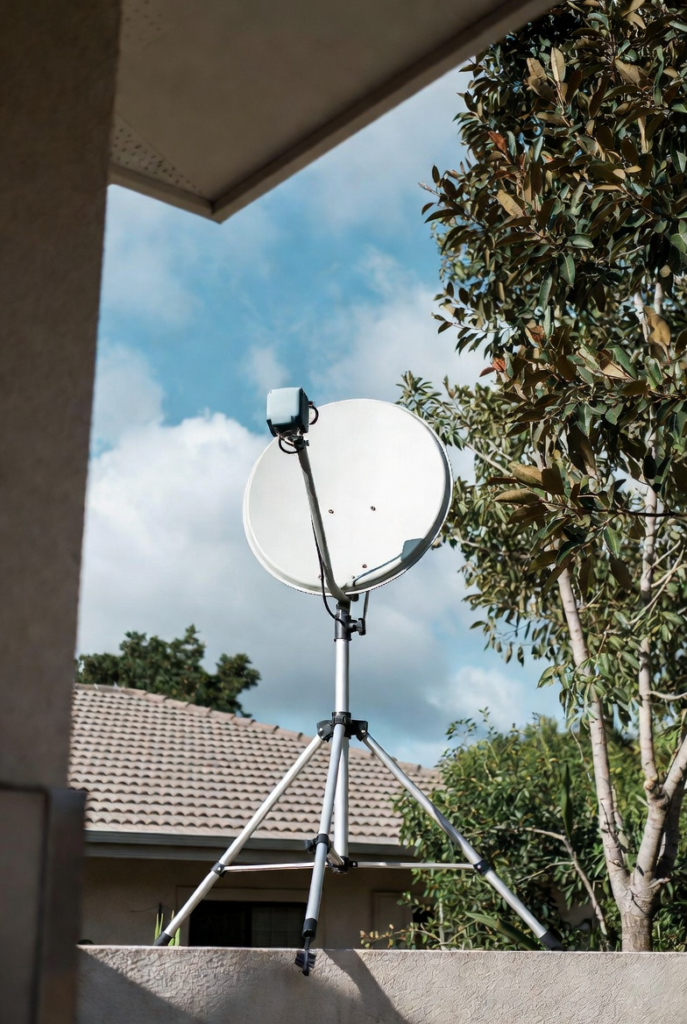
The most exciting update for 2026 is the Starlink Mini. This tiny device is about the size of a thick laptop and fits right in a backpack. It’s designed for hikers, campers, and “grey nomads” who don’t want a permanent dish on their roof. The Starlink Australia Mini kit currently retails for about $599, but it’s often bundled with “Roam” plans that allow you to use data only when you need it.
For about $80 a month, you can get a 100GB “Roam” plan which is perfect for a weekend getaway. If you’re a full-time traveler, the unlimited roam plan for $195 is the gold standard. The best part? You can “Pause” your service when you aren’t traveling, so you aren’t paying for internet that’s just sitting in your garage. This flexibility is something traditional Aussie telcos have struggled to match.
Detailed Comparison Table: Starlink Australia Plans
| Plan Type | Monthly Cost | Typical Speed | Best For |
| Residential 100 | $69 | 80–100 Mbps | Budget-conscious households |
| Residential 200 | $99 | 140–200 Mbps | Busy families & 4K streaming |
| Residential Max | $139 | 170–320+ Mbps | Power users & home offices |
| Roam (100GB) | $80 | 60–160 Mbps | Occasional campers & hikers |
| Roam (Unlimited) | $195 | 60–160 Mbps | Full-time travelers & Vanlife |
| Business / Priority | From $108 | 200–350+ Mbps | High-demand rural businesses |
Starlink vs. NBN Sky Muster: Which is Better?
If you live in a regional area, you’ve likely heard of NBN Sky Muster. For a long time, it was the only choice. However, Starlink Australia has pushed the boundaries of what we thought was possible for rural internet. Sky Muster is often cheaper, but it usually comes with data caps and much higher latency (ping). This makes things like gaming or smooth video calls very difficult.
Starlink, on the other hand, offers unlimited data on almost all its residential plans. While the upfront cost for Starlink Australia used to be a barrier, the new rental options and hardware discounts have leveled the playing field. If you just need basic email, Sky Muster might save you a few bucks. But if you want to live a modern digital life without “data anxiety,” Starlink is the clear winner in 2026.
How to Install Your Starlink Kit in Minutes
One of the things I love most about Starlink Australia is how simple the setup is. You don’t need a professional technician to come to your house and drill holes in your roof (unless you want to). The “Plug & Play” kit comes with everything: the dish, a stand, a router, and a cable. You simply put the dish in a spot with a clear view of the sky, plug it in, and follow the prompts in the app.
The app uses your phone’s camera to scan the sky and tell you if trees or buildings are in the way. Once it’s powered on, the dish will tilt and move itself to find the best satellite signal. Within about 10 minutes, you’ll usually have a working Wi-Fi network. It’s incredibly satisfying to see that “Online” status pop up while you’re standing in a paddock miles from civilization.
Is Starlink Australia Reliable During Bad Weather?
Australia is known for its wild weather, from tropical downpours to scorching heat. A common question is: “Will my internet die when it rains?” The short answer is: usually no. Starlink Australia hardware is built to be tough. It can handle heavy rain, high winds, and even extreme heat without skipping a beat. The dish even has a “snow melt” mode, though that’s less useful for most Aussies!
During a very heavy storm, you might notice your speeds dip slightly or see a few seconds of “searching” time. This is called “rain fade.” However, because the satellites are constantly moving and the dish can switch between them, total outages are rare. Compared to old satellite tech, Starlink Australia is remarkably resilient against the elements, making it a reliable choice for the Aussie bush.
Customer Support and the 30-Day Trial
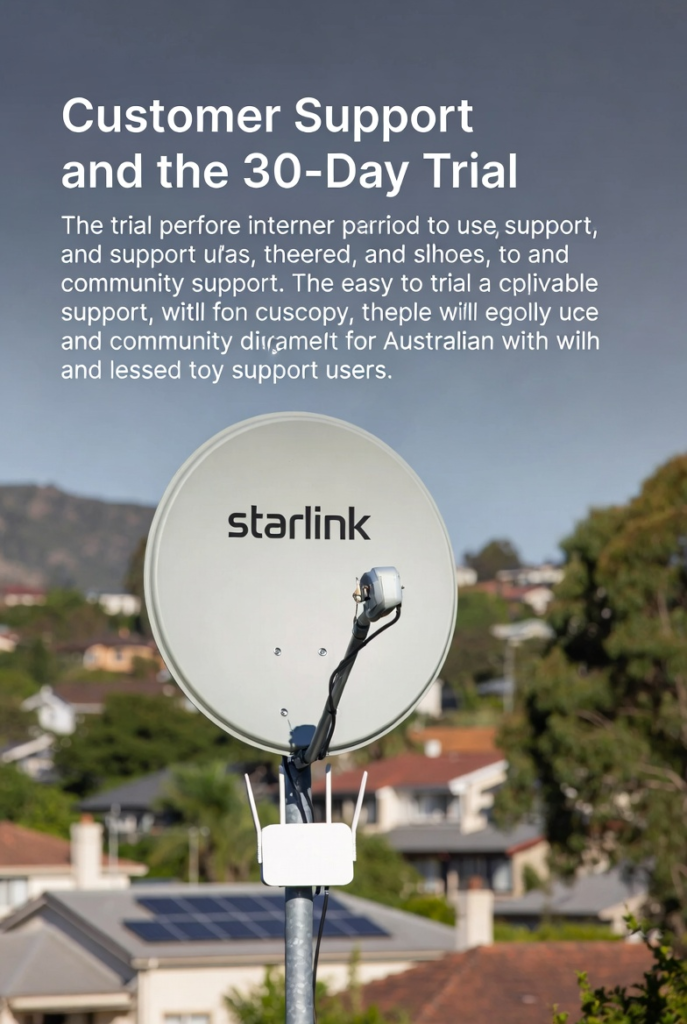
Trying a new internet service can be scary, especially with satellite tech. Starlink Australia handles this by offering a 30-day trial period. If the service doesn’t work for your specific location or you’re just not happy with the speeds, you can return the hardware for a full refund. This “no-strings” approach shows how confident they are in their product.
Support is handled mostly through the app. While you won’t find a local Starlink shop in your town, their digital support tickets are generally responsive. They also have a massive community of Aussie users on social media who are always happy to help with tips on mounting dishes or optimizing Wi-Fi range. It feels like being part of a tech revolution rather than just paying a bill to a giant corporation.
Final Thoughts: Should You Get Starlink?
So, is Starlink Australia worth your hard-earned money? If you live in a city with reliable Fiber-to-the-Premise (FTTP) NBN, you probably don’t need it. But for the rest of us—the rural families, the travelers, and the people stuck with copper wires from the 1990s—it is a life-changer. It bridges the digital divide and ensures that living in the country doesn’t mean living in the past.
The arrival of the Starlink Australia Mini and the new cheaper monthly plans in 2026 make this the best time to switch. Whether you’re working from a coastal town or streaming movies in the desert, the freedom of high-speed satellite internet is hard to beat. If you’re tired of the “spinning wheel of death” on your videos, it’s time to look up at the stars.
Frequently Asked Questions
1. Can I take my residential Starlink dish on a camping trip?
If you have a Residential plan, it is tied to your home address. To use it elsewhere, you’ll need to add the “Portability” feature or switch to a Starlink Australia Roam plan. The Roam plans are specifically designed for people on the move.
2. Does Starlink Australia offer unlimited data?
Yes! Most residential and roam plans come with unlimited data. This means you don’t have to worry about extra charges for downloading large games or streaming too many movies. Some “Lite” or “Mobile-100GB” plans do have caps, so check your specific plan details.
3. How much power does the Starlink dish use?
The standard dish uses about 50–75 watts on average. The new Starlink Australia Mini is much more efficient, using around 20–40 watts, which is perfect for running off a portable power station or a 12V van setup.
4. Can I use my own router with Starlink?
Yes, but you will need the “Starlink Ethernet Adapter” (sold separately) for the Standard kit to plug in your own mesh system or high-end router. The Mini kit and some newer versions have an ethernet port built-in or use a standard USB-C power delivery.
5. Is Starlink available everywhere in Australia?
Currently, Starlink Australia has nearly 100% coverage across the country. As long as you have a clear view of the sky and a power source, you can get connected from the tip of Cape York to the bottom of Tasmania.
6. Do I need a contract to sign up?
No. One of the best things about the service is that there are no long-term contracts. You pay month-to-month and can cancel or pause your Starlink Australia service at any time without paying a massive exit fee.