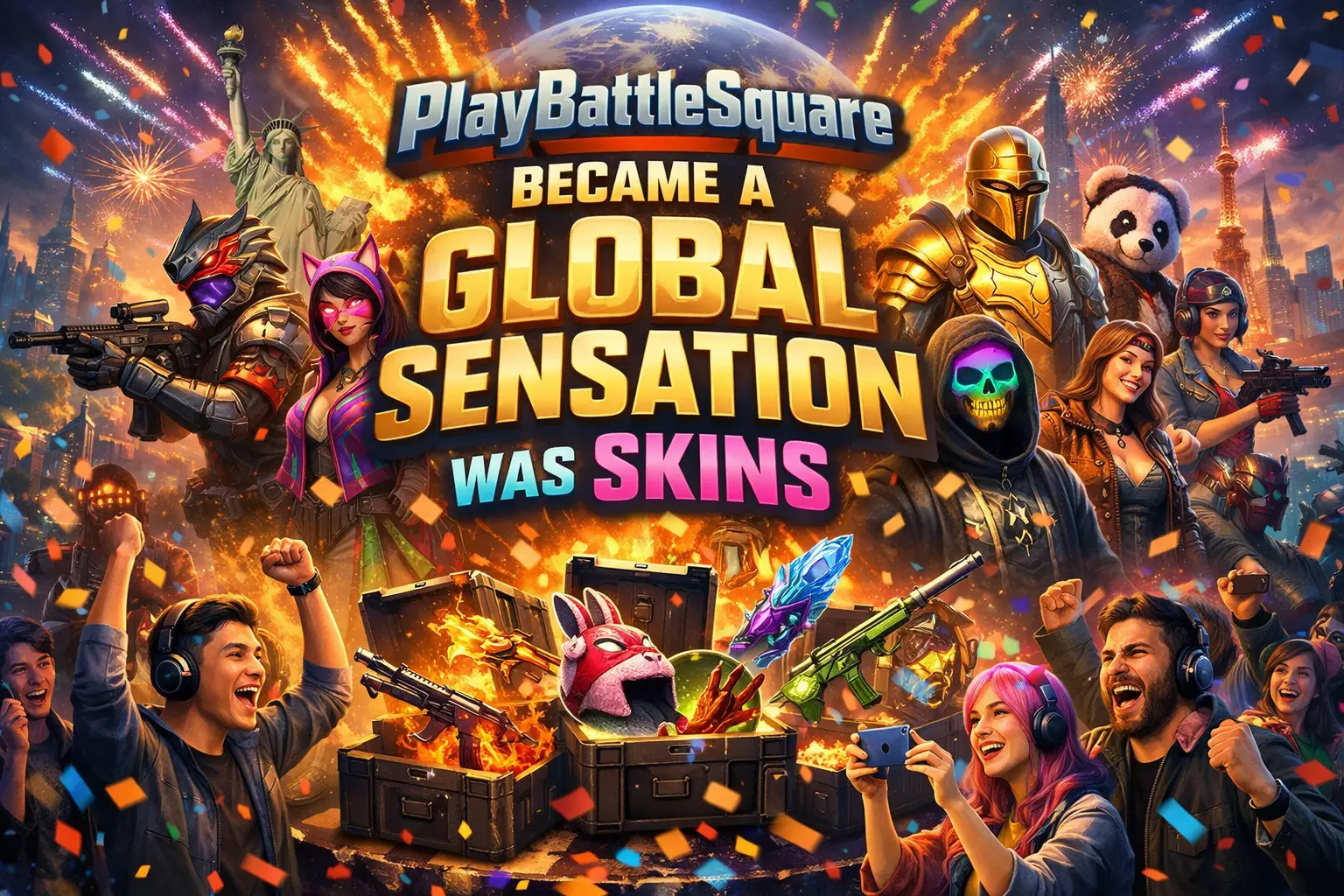
The online gaming world evolves rapidly, but every once in a while, a platform captures attention in a way that feels different. Conversations begin in forums, gameplay clips circulate on social media, and suddenly a name becomes part of everyday gaming discussion. Many players began asking how playbattlesquare became a global sensation was skins and what role customization and community played in that transformation.
Gaming today is no longer just about mechanics or high scores. It is about identity, status, creativity, and belonging. Platforms that understand this deeper emotional connection often experience explosive growth. In recent years, digital cosmetics—commonly known as skins—have shifted from simple aesthetic add-ons to powerful cultural and economic forces. The phrase playbattlesquare became a global sensation was skins reflects this exact turning point where customization, competition, and community merged into something bigger than expected.
This article explores how that transformation happened, why skins matter so much in modern gaming, and what this shift means for players and platforms worldwide.
Understanding PlayBattleSquare as a Gaming Hub
Quick Bio
| Element | Details |
|---|---|
| Article Title | How PlayBattleSquare Became a Global Sensation Was Skins and Community Power |
| Focus Keyword | Playbattlesquare became a global sensation was skins |
| Category | Gaming |
| Content Type | Informational |
| Word Count | 2000+ Words |
| SEO Intent | Informational / Trend Analysis |
| Target Audience | Gamers, esports enthusiasts, digital economy followers |
| Reading Level | Easy to Read, Conversational English |
| Primary Topic | Rise of PlayBattleSquare and impact of skins in gaming culture |
| Secondary Topics | Digital identity, gaming economy, customization trends |
| Monetization Angle | Gaming platforms, cosmetic economies, digital collectibles |
| SEO Strategy | Keyword optimization, semantic relevance, long-form content, FAQ schema potential |
Before diving into skins, it is important to understand what makes a gaming platform stand out in the first place. PlayBattleSquare developed its presence as a competitive and community-driven gaming hub. Rather than focusing on a single title, it embraced variety—bringing players together under one digital roof.
Players were not only looking for games to play. They wanted strategy discussions, improvement tips, competitive challenges, and social interaction. PlayBattleSquare provided an environment where casual gamers and serious competitors could share space. This blend of accessibility and ambition created fertile ground for rapid growth.
However, many platforms offer similar features. The real difference emerged when customization began taking center stage.
The Evolution of Skins in Modern Gaming
Skins started as simple cosmetic upgrades. A new outfit for a character. A different design for a weapon. A fresh color scheme for an avatar. They did not change gameplay mechanics, yet they changed how players felt about their presence in the game.
Over time, skins became symbols:
- Status markers in competitive matches
- Expressions of personal identity
- Digital collectibles
- Community conversation starters
Players began investing not only time but money into acquiring rare or limited skins. Cosmetic design became an art form. Events and seasonal drops increased anticipation. Scarcity increased value.
It is within this environment that playbattlesquare became a global sensation was skins became more than a statement—it became a reflection of how deeply customization influences gaming engagement.
Why Skins Drive Player Engagement
To understand the impact, consider the psychology behind customization.
When players personalize their characters, they form stronger emotional connections to their in-game presence. That emotional bond increases retention. A player who feels represented is more likely to return.
Skins also create visible differentiation. In competitive matches, standing out visually reinforces identity. Rare skins spark curiosity and admiration. This drives conversation and aspiration.
On PlayBattleSquare, community discussions around cosmetic designs, rarity, and collection strategies began to gain traction. What once seemed like optional decoration turned into a central part of the gaming culture.
The idea that playbattlesquare became a global sensation was skins highlights how cosmetics can amplify a platform’s appeal far beyond gameplay itself.
Digital Identity and the Power of Self-Expression
Modern gamers do not simply log in to win matches. They log in to exist within a shared digital world. Just as fashion reflects personality in real life, skins reflect identity in virtual spaces.
Players choose skins that represent:
- Confidence
- Humor
- Strategy
- Creativity
- Cultural trends
This self-expression builds attachment. When users feel ownership over their visual identity, the platform becomes personal rather than transactional.
PlayBattleSquare’s growing focus on customization culture allowed players to feel seen. Instead of being one of millions, they became individuals within a global network. This sense of individuality helped explain why playbattlesquare became a global sensation was skins played such a defining role.
Community Engagement and Viral Momentum
Gaming platforms grow when communities grow. Skins naturally encourage social interaction. Players ask questions:
Where did you get that skin?
Is it limited edition?
How rare is it?
Will it return next season?
These conversations extend beyond gameplay. They appear in discussion boards, group chats, and streaming platforms. Each conversation spreads awareness.
As more players showcased their customized appearances, curiosity attracted new users. Social sharing created organic promotion. Skins became visual marketing tools.
When observers noticed unique designs repeatedly appearing in competitive environments, attention increased. Gradually, the phrase playbattlesquare became a global sensation was skins began to describe a larger movement shaped by visibility and digital fashion.
Competitive Gaming and Cosmetic Prestige
Competitive spaces amplify visibility. In tournaments and ranked matches, players want to look distinct. Rare skins serve as silent statements of experience and dedication.
On PlayBattleSquare, competitive players embraced this prestige element. Unique cosmetics became subtle indicators of achievement or long-term engagement. Even though skins did not alter gameplay mechanics, they influenced perception.
This blend of skill-based competition and aesthetic distinction created a powerful loop:
- Players competed to improve ranking
- Players showcased skins to display status
- New players aspired to both skill and style
The merging of performance and personalization strengthened platform loyalty. Over time, playbattlesquare became a global sensation was skins represented both competition and culture.
The Economic Influence of Skins
The global gaming economy has changed significantly due to digital cosmetics. Skins generate revenue without affecting competitive fairness. This makes them sustainable monetization tools.
Players willingly invest in cosmetic upgrades because:
- They enhance visual enjoyment
- They create uniqueness
- They offer collectible value
- They sometimes increase resale potential in broader gaming ecosystems
As the cosmetic economy expanded across the gaming industry, platforms that embraced this model effectively saw faster growth.
In the case of PlayBattleSquare, embracing skin culture aligned it with broader industry trends. It positioned the platform within a profitable and highly engaging ecosystem.
Accessibility and Global Appeal
One reason playbattlesquare became a global sensation was skins had universal appeal. Customization transcends language barriers. A visually striking design can be admired regardless of location.
Players from different regions connected through shared appreciation for rare or creative cosmetics. Global tournaments displayed a diverse range of customized characters, reinforcing inclusivity.
Unlike complex gameplay explanations, skins communicate instantly. A player does not need to understand strategy details to appreciate a design. This simplicity contributed to cross-border popularity.
The Role of Social Media and Streaming
Streaming platforms amplified visibility. Streamers showcasing unique skins introduced thousands of viewers to the platform’s aesthetic culture. Screenshots, highlight reels, and live tournaments created visual buzz.
When audiences repeatedly saw distinctive designs in action, interest grew. Viewers often joined to experience customization firsthand.
The visual nature of skins made them ideal for shareable content. Clips featuring rare designs or limited releases generated excitement. This momentum further validated the idea that playbattlesquare became a global sensation was skins driving widespread curiosity.
Limited Editions and Scarcity Marketing
Scarcity increases desire. Limited-time skins create urgency. When players know a design may never return, demand spikes.
Seasonal events, themed releases, and exclusive cosmetic drops added anticipation to the platform. Even players who logged in casually began tracking release schedules.
This strategic timing kept engagement high throughout the year. Skins were no longer static additions—they became part of a living calendar.
Scarcity not only drove purchases but strengthened emotional investment. Missing a rare drop felt meaningful. Owning one felt rewarding.
Player Loyalty and Retention
Retention defines long-term success. Platforms thrive when users return consistently. Skins contribute to this in multiple ways:
- Collecting encourages continued participation
- New releases renew interest
- Personal attachment increases loyalty
- Social recognition motivates engagement
When players build digital wardrobes over time, they are less likely to abandon the platform. Their collection represents time, effort, and investment.
This retention effect played a crucial role in sustained growth. It reinforced the narrative that playbattlesquare became a global sensation was skins shaping both entry and long-term commitment.
Cultural Impact Beyond Gameplay
Skins have influenced gaming culture in unexpected ways. Fan art, design discussions, ranking lists, and community votes all extend beyond matches themselves.
Cosmetics inspire creativity. They influence fashion trends within gaming communities. Some designs even spark collaborations and themed competitions.
On PlayBattleSquare, the conversation gradually expanded from gameplay tactics to aesthetic appreciation. This broader cultural dimension strengthened the platform’s identity.
Gaming became not just about winning but about presentation and storytelling.
Balancing Fairness and Monetization
One reason skins remain widely accepted is their cosmetic-only function. They do not create unfair gameplay advantages. Competitive integrity remains intact.
This balance is crucial. Players are more willing to support monetization systems that do not disrupt fairness.
By maintaining this distinction, platforms avoid backlash while benefiting from revenue growth. It allows the ecosystem to remain skill-driven while still offering personalization.
Future Outlook: Where Customization Is Heading
Customization continues evolving. Animated skins, reactive designs, and dynamic seasonal themes are becoming more common across the industry.
As gaming technology advances, cosmetic detail will likely become even more immersive. Virtual identity may extend beyond individual platforms into interconnected ecosystems.
The journey that led many to say playbattlesquare became a global sensation was skins could represent only the beginning of deeper personalization trends in gaming.
Conclusion
The story of rapid growth in online gaming often appears complex, but sometimes the driving force is surprisingly human. People want expression. They want belonging. They want to stand out while being part of something larger.
Skins provide that bridge between individuality and community. They transform digital spaces into personal arenas.
In examining how playbattlesquare became a global sensation was skins, it becomes clear that customization is not a side feature. It is a central pillar of modern gaming culture. Through emotional connection, social sharing, competitive visibility, and economic sustainability, skins helped turn engagement into expansion.
The rise of PlayBattleSquare reflects a broader truth about the gaming world: identity matters just as much as performance. And when a platform understands that, growth follows naturally.
FAQs
Why did skins play such a major role in PlayBattleSquare’s growth?
Skins encouraged personalization, social sharing, and player loyalty. They created emotional attachment and visible identity, which strengthened engagement and community interaction.
Do skins affect gameplay performance?
No. Skins are cosmetic items. They change visual appearance but do not provide gameplay advantages, keeping competition fair.
How do limited-edition skins impact player behavior?
Limited releases create urgency and excitement. Players log in more frequently to avoid missing exclusive designs, which increases retention.
Is the popularity of skins unique to one platform?
No. Skins are a widespread trend across the gaming industry. However, the way a platform integrates customization can determine how impactful it becomes.
What does the phrase playbattlesquare became a global sensation was skins mean?
It reflects the idea that customization and cosmetic culture significantly contributed to the platform’s international recognition and rapid growth.