and why people love this shiny gem. Perfect for kids and beginners!
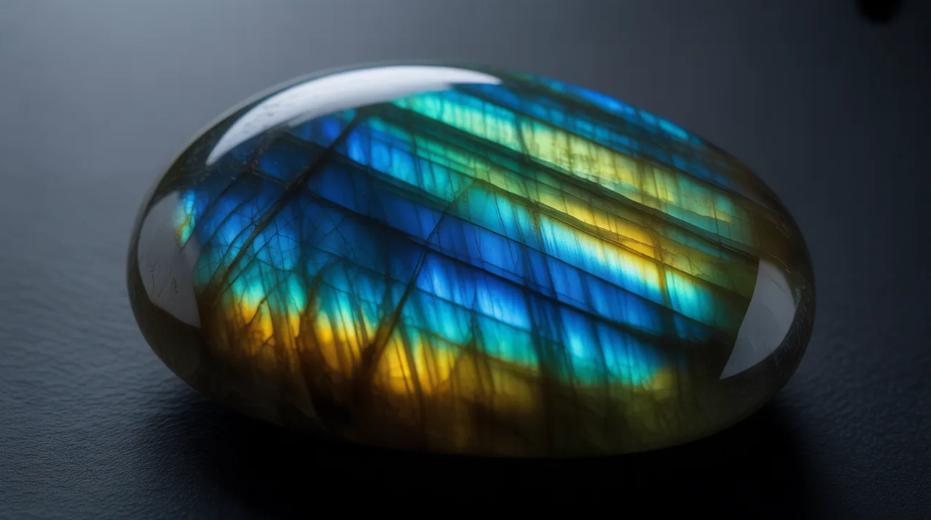
Have you ever seen a rock that looks like it has a tiny rainbow trapped inside? That is the abradore! Many people call it Labradorite, but no matter the name, it is one of the most beautiful stones in the world. It starts off looking like a plain gray or dark rock. But when you move it under the light, boom! You see flashes of bright blue, green, and even gold.
It feels like holding a piece of the frozen night sky in your hand. I remember the first time I saw an abradore at a gem show. I thought it was just a regular pebble until the sun hit it. Suddenly, it turned a glowing electric blue! It’s like a secret that the stone only tells you when the light is just right. In this post, we will explore where it comes from and why it is so special.
What Exactly is an Abradore?
The abradore is a type of mineral called a feldspar. Think of it as a cousin to the rocks you might find in your backyard, but much fancier. Scientists use a big word to describe its shine: “labradorescence.” This just means the stone has thin layers inside that bounce light around.
When you look at an abradore, you aren’t just seeing a color painted on the top. You are seeing light traveling through the stone and coming back to your eyes in different colors. It is a natural magic trick! Most of these stones come from a cold place in Canada called Labrador, which is how they got their famous name.
The History of the Shiny Stone
Long ago, people living in the far north found the abradore. The Inuit people have a wonderful story about it. They believed that the Northern Lights (the Aurora Borealis) were once trapped inside the rocks along the coast. A brave warrior struck the rocks with a spear to set the lights free.
Most of the lights went up into the sky to dance, but some stayed behind inside the stone. That is why the abradore has those amazing glowing colors today. Even though we know the science now, it’s still fun to think about the Northern Lights being stuck inside a rock!
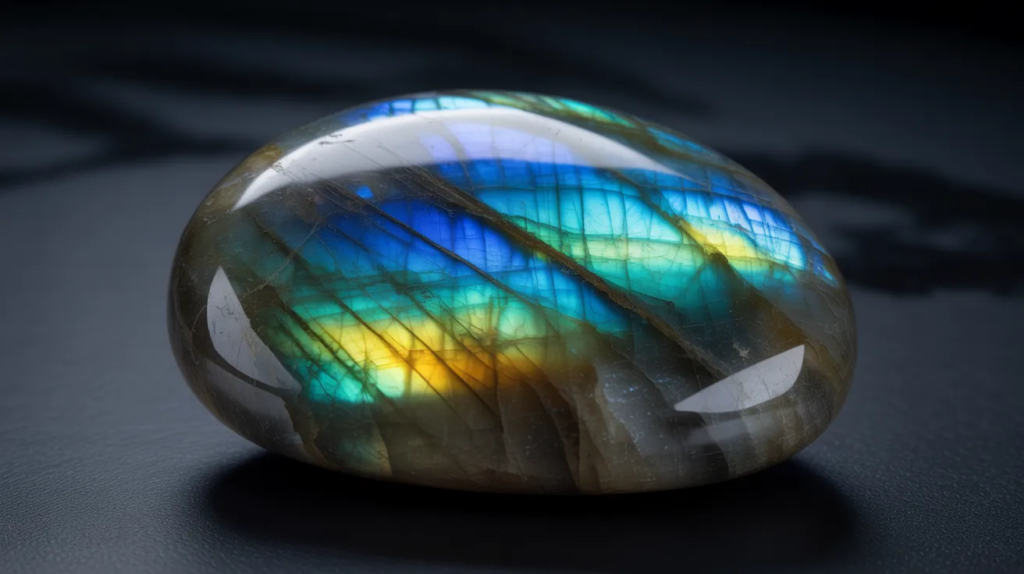
A Quick Look at Abradore Facts
To help you understand this stone better, here is a simple table with the most important details.
| Feature | Details |
| Common Name | Abradore (Labradorite) |
| Colors | Gray, Blue, Green, Yellow, Orange |
| Where it’s found | Canada, Madagascar, Finland |
| Hardness | 6 to 6.5 (Pretty tough!) |
| Main Use | Jewelry, statues, and healing |
| Special Effect | Labradorescence (Glowing flash) |
Why Does it Change Colors?
You might wonder why the abradore doesn’t look like a rainbow all the time. It all depends on the angle. If you hold the stone flat, it might look like a dark, boring rock. But if you tilt it just a little bit, the colors “flash” at you.
This happens because the stone is made of many tiny layers stacked like a sandwich. When light hits these layers, it breaks apart into different colors. It’s the same thing that happens when you see oil floating on a puddle of water or the back of a CD. The abradore is just nature’s way of showing off!
Where Can You Find an Abradore?
While the first ones were found in Canada, you can find the abradore all over the world now. Some of the brightest ones come from a big island called Madagascar. Others come from Finland, where they are so colorful they are called “Spectrolite.”
Miners have to dig deep into the earth to find these treasures. When they first come out of the ground, they don’t look very special. They have to be polished and cut by experts to make the colors really pop. It takes a lot of work to turn a rough rock into a shining abradore gem!
How People Use the Stone Today
The most common way to use an abradore is in jewelry. People love wearing them as necklaces, rings, or earrings. Because every stone has a different pattern of colors, no two pieces of jewelry are ever exactly the same.
Some people also keep large pieces of abradore on their desks or in their homes. They find the shifting colors very calming to look at. Artists even use thin slices of the stone to decorate furniture or make small statues of animals. It’s a very versatile rock!
Feeling the Energy of the Stone
Many people believe that the abradore is more than just a pretty decoration. They think it has special “energy” that can help you feel better. Some say it helps you feel brave when you are trying something new. Others think it helps your brain come up with great new ideas.
Whether you believe in stone energy or not, it’s hard not to feel a little bit happy when you see a bright flash of blue inside an abradore. It reminds us that there is beauty hidden in unexpected places. Sometimes, the plainest-looking things have the most magic inside!
Taking Care of Your Abradore
If you have your own abradore, you want to keep it looking shiny. It is a fairly strong stone, but it can still get scratched if you aren’t careful. You should keep it away from harsh chemicals like bleach or strong soap.
The best way to clean an abradore is with a little bit of warm water and a soft cloth. Don’t use a scrub brush! Just gently wipe it down to remove any dust. If you take good care of it, the “trapped Northern Lights” will keep glowing for a very long time.
Why Every Kid Should Have One
I think every young rock collector should have an abradore in their kit. It is one of the most exciting stones to show your friends. You can challenge them to find the “secret color” by turning the rock in their hands.
It’s also a great way to learn about geology and how light works. The abradore proves that science isn’t just about reading books; it’s about the amazing things we can see and touch in the real world. Plus, it just looks really cool on a shelf!
Finding the Best Quality Stones
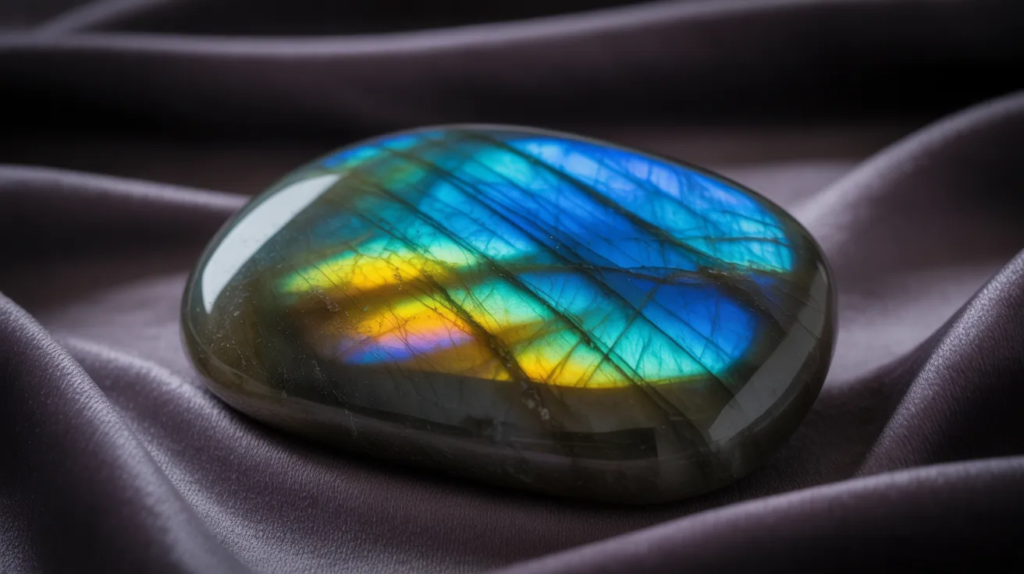
When you are looking to buy an abradore, you should look for one with a “full flash.” This means that the color covers most of the stone instead of just a tiny spot. The most popular color is bright blue, but purple and red flashes are very rare and special.
Check the surface of the stone for any deep cracks. Some small lines are normal because it’s a natural rock, but a high-quality abradore should feel smooth to the touch. If it glows brightly when you move it, you’ve found a winner!
Conclusion: The Hidden Beauty Around Us
The abradore is a wonderful reminder that we shouldn’t judge things by how they look at first. A dark, heavy rock can hold a beautiful rainbow inside. All it needs is a little bit of light to show its true colors.
Whether you like the abradore for its science, its history, or just its beauty, it is a stone that never gets boring. Every time you pick it up, you might see a new color or a new pattern. It’s like having a little piece of nature’s magic right in your pocket!
Frequently Asked Questions
1. Is abradore the same as Labradorite?
Yes! Abradore is just another way people refer to the stone Labradorite. They are the exact same beautiful, color-changing mineral.
2. Can I find abradore in my backyard?
Probably not, unless you live in a place like Labrador, Canada! Most of these stones are found deep underground in specific parts of the world.
3. Why is my abradore only gray?
Try moving it under a bright light! The colors only show up when the light hits the layers inside at the right angle. It’s meant to be a hidden surprise.
4. Can an abradore go in water?
Yes, you can clean it with water. However, don’t leave it soaking for a long time, as some minerals don’t like to stay wet. A quick wash is perfect.
5. Is abradore an expensive stone?
It is usually very affordable! You can find small polished pieces for just a few dollars, making it a great choice for new collectors.
6. Does the color of an abradore ever fade away?
No, the color is part of the stone’s structure. As long as the stone isn’t ground down or damaged, the light will always create those beautiful flashes.