When people first encounter the term and begin searching why does ozdikenosis kill you, they are usually reacting to fear, confusion, or a lack of reliable information. The word sounds clinical and intimidating, and anything associated with fatal outcomes immediately raises concern. In the absence of clear explanations, speculation tends to fill the gap, often exaggerating risks or spreading misinformation.
Understanding why does ozdikenosis kill you requires breaking the topic down into digestible parts. Instead of reacting emotionally to the name or rumored severity, it is far more helpful to look at the biological processes, systemic effects, and medical realities that could explain how a condition with this label might lead to death. When you understand the mechanisms involved, the mystery fades and the logic becomes clearer. Severe diseases rarely kill suddenly without cause; they progress through specific physiological disruptions that can be studied, treated, and in many cases prevented.
Understanding Ozdikenosis and Its Biological Nature
Quick Bio
| Topic | Details |
|---|---|
| Main Focus Keyword | why does ozdikenosis kill you |
| Medical Category | Severe systemic condition |
| Primary Risk | Multi-organ failure |
| Core Mechanism | Immune dysregulation and organ dysfunction |
| Most Affected Systems | Lungs, heart, kidneys, liver, brain |
| Common Complications | Respiratory failure, shock, sepsis, metabolic imbalance |
| High-Risk Groups | Elderly individuals, patients with chronic diseases |
| Early Warning Signs | Shortness of breath, confusion, fatigue, abnormal vitals |
| Prevention Focus | Early diagnosis, timely treatment, lifestyle management |
| Mortality Driver | Progressive systemic collapse if untreated |
To grasp why does ozdikenosis kill you, it is important to define what ozdikenosis represents within a medical framework. The term suggests a pathological condition characterized by systemic dysfunction. In clinical discussions, similar-sounding disease names often indicate inflammatory, infectious, metabolic, or degenerative processes affecting multiple organ systems.
Diseases that carry serious consequences typically involve progressive cellular damage. At the most basic level, the human body depends on trillions of cells functioning in harmony. When a pathological process interferes with oxygen delivery, nutrient absorption, immune regulation, or tissue repair, the entire system begins to destabilize. Ozdikenosis, in theoretical medical analysis, would fall into the category of conditions that disrupt homeostasis — the body’s internal balance.
Homeostasis is not just a textbook concept. It regulates temperature, pH balance, blood pressure, hormone levels, and immune responses. When a disease overwhelms these regulatory systems, the body shifts from adaptation to decompensation. This tipping point is usually where life-threatening consequences begin.
Medical researcher Dr. L. Carmichael once stated, “No disease kills in isolation. It kills through the systems it compromises.” That perspective is central to understanding severe systemic illnesses. If ozdikenosis is lethal, it would be because of the cascading failures it triggers in vital organs.
The Pathophysiology Behind Fatal Outcomes
When examining why does ozdikenosis kill you, the discussion must move into pathophysiology — the study of how disease alters normal bodily function. Fatal outcomes rarely occur from a single isolated event. Instead, they result from a chain reaction of physiological breakdown.
One possible mechanism is systemic inflammation. Inflammatory responses are designed to protect the body, but when they become excessive or chronic, they can damage tissues. Severe inflammation can impair organ function, particularly in the lungs, heart, liver, and kidneys. If ozdikenosis involves uncontrolled inflammatory activity, it could gradually lead to organ failure.
Another potential mechanism is circulatory compromise. If a disease interferes with blood flow, oxygen cannot reach tissues effectively. This condition, known as hypoxia, causes cells to die. Prolonged hypoxia damages organs irreversibly. The brain and heart are particularly sensitive to oxygen deprivation, and even short disruptions can be catastrophic.
Metabolic imbalance also plays a major role in fatal disease progression. The body depends on tightly regulated chemical reactions to produce energy. When metabolic processes become dysregulated, toxic byproducts can accumulate, acid-base balance can shift, and vital enzymatic reactions can fail. In advanced cases, this can lead to systemic collapse.
Understanding these mechanisms makes it easier to see that the reason why does ozdikenosis kill you is not mystical or sudden. It would be a result of identifiable physiological processes that escalate without intervention.
How Ozdikenosis May Affect Vital Organs
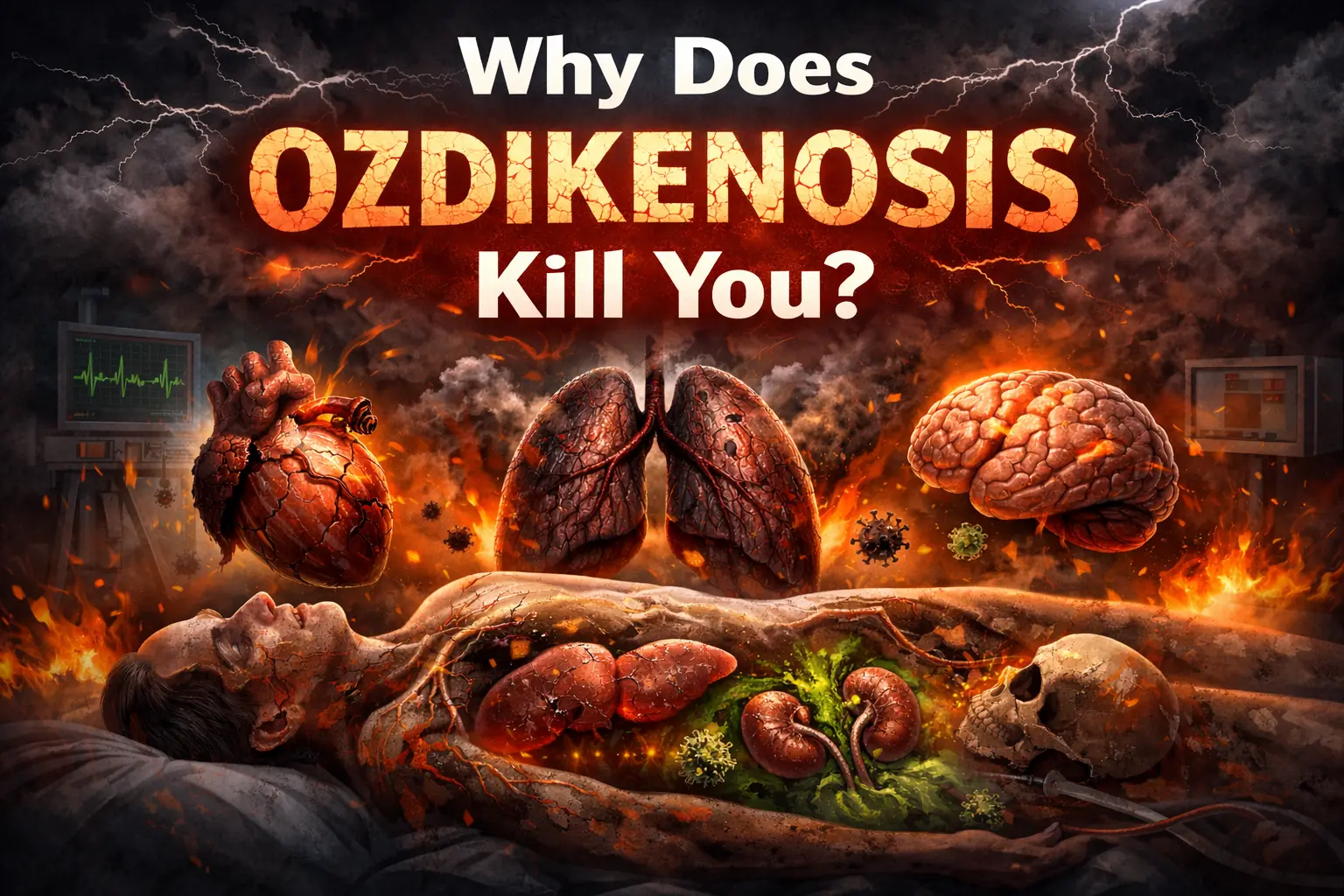
When a disease becomes life-threatening, it almost always involves the failure of one or more critical organs. The heart, lungs, brain, liver, and kidneys are especially important because they sustain life on a minute-to-minute basis.
If ozdikenosis affects the lungs, respiratory failure could develop. The lungs are responsible for exchanging oxygen and carbon dioxide. When lung tissue becomes inflamed, scarred, or filled with fluid, oxygen levels drop. Low oxygen levels force the heart to work harder and deprive the brain of essential supply.
If the heart becomes involved, the consequences can escalate quickly. Cardiac dysfunction can reduce blood circulation throughout the body. Reduced circulation leads to shock, a life-threatening state in which organs do not receive adequate blood flow.
Kidney involvement is equally dangerous. The kidneys filter waste products from the bloodstream. When they fail, toxins accumulate, electrolyte levels become unstable, and fluid balance is disrupted. Severe kidney failure can affect heart rhythm and neurological stability.
The liver, often underestimated, plays a vital role in detoxification and metabolism. Liver failure impairs clotting, hormone regulation, and nutrient processing. Multi-organ involvement dramatically increases mortality risk in systemic diseases.
The following table illustrates how organ systems may contribute to fatal outcomes in severe conditions:
| Organ System | Primary Function | Potential Impact if Compromised |
|---|---|---|
| Lungs | Oxygen exchange | Respiratory failure, hypoxia |
| Heart | Circulation of blood | Shock, cardiac arrest |
| Kidneys | Waste filtration | Toxic buildup, electrolyte imbalance |
| Liver | Detoxification, metabolism | Coagulopathy, metabolic failure |
| Brain | Neurological control | Loss of consciousness, brain death |
Each organ does not fail independently. Instead, failure in one often triggers strain in others, creating a domino effect.
The Role of Immune System Dysregulation
A critical factor in understanding why does ozdikenosis kill you involves the immune system. The immune system is designed to detect and eliminate threats, but in certain diseases, it becomes overactive or misdirected.
An overactive immune response can lead to what is commonly called a cytokine storm. This is an extreme inflammatory reaction that damages healthy tissue. Blood vessels may leak, blood pressure can drop, and organs may begin to shut down.
On the other hand, immune suppression is equally dangerous. If ozdikenosis weakens immune defenses, the body becomes vulnerable to secondary infections. These infections can overwhelm an already compromised system, leading to sepsis. Sepsis is one of the most common pathways to death in severe systemic illnesses.
Immunologist Dr. Karen Mitchell once observed, “The immune system is both shield and sword. When misdirected, it becomes the very force that harms the body.” That balance between protection and destruction is central to understanding life-threatening diseases.
Progressive Stages and Escalation
Severe diseases rarely begin at their most dangerous stage. They typically progress through phases. Early symptoms might be mild, vague, or easily dismissed. Fatigue, low-grade fever, or mild discomfort may not signal immediate danger.
As the disease advances, symptoms intensify. Organ-specific signs appear, such as shortness of breath, swelling, confusion, or abnormal lab values. At this stage, intervention can still be highly effective.
In advanced stages, however, compensatory mechanisms fail. The body can no longer maintain equilibrium. Blood pressure drops, oxygen levels fall, and metabolic waste accumulates. Without aggressive treatment, the situation can become irreversible.
Understanding progression is key to reducing mortality. Early detection and intervention often prevent the cascade that ultimately answers why does ozdikenosis kill you.
Risk Factors That Increase Mortality
Not every individual exposed to a severe condition experiences the same outcome. Risk factors play a significant role in determining prognosis.
Age is one of the most significant variables. Older adults generally have reduced physiological reserves. Chronic conditions such as diabetes, hypertension, or cardiovascular disease can amplify vulnerability.
Genetic predisposition may also influence severity. Variations in immune response, inflammatory regulation, and metabolic pathways can determine how aggressively the disease manifests.
Environmental factors, including poor nutrition, lack of access to healthcare, and delayed treatment, further increase risk. Lifestyle choices such as smoking or excessive alcohol consumption weaken organ resilience and immune defenses.
These risk factors do not directly cause death, but they reduce the body’s ability to recover once serious disease takes hold.
Complications That Lead to Fatal Outcomes
When people ask why does ozdikenosis kill you, they are often really asking about complications. Complications are secondary problems that arise because of the primary disease.
Respiratory failure is one of the most immediate life-threatening complications. When oxygen saturation drops below safe levels, mechanical ventilation may be required. Even with advanced support, prolonged respiratory failure carries high mortality risk.
Cardiovascular collapse is another serious complication. Severe infection or inflammation can cause blood vessels to dilate excessively, lowering blood pressure. Without adequate perfusion, organs cannot function.
Neurological complications can include seizures, coma, or brain swelling. Once brain function is severely compromised, recovery becomes increasingly unlikely.
Blood clotting abnormalities may also occur, leading to strokes or pulmonary embolisms. These events can cause sudden deterioration.
Complications compound one another. A patient with respiratory failure may develop kidney injury, which then affects heart function. This interconnected decline is often referred to as multi-organ failure.
Treatment Challenges and Limitations
Even with modern medicine, some conditions remain difficult to treat effectively. Treatment success depends on early diagnosis, targeted therapy, and patient resilience.
If ozdikenosis involves infection, antimicrobial therapy must be timely and appropriate. Delays allow pathogens to spread and cause systemic damage.
If the disease is inflammatory or autoimmune in nature, immunomodulatory therapies may be required. These treatments can suppress harmful immune activity but must be carefully balanced to avoid weakening defenses too much.
Supportive care, including oxygen therapy, intravenous fluids, and organ support systems, can buy time. However, once irreversible organ damage occurs, recovery becomes unlikely.
One experienced critical care physician once said, “We can support organs for a while, but we cannot replace the body’s own resilience.” That statement reflects the limits of even advanced intensive care.
Prevention and Early Intervention
The most practical approach to preventing fatal outcomes is early intervention. Recognizing warning signs and seeking medical attention promptly significantly improves survival rates.
Preventive strategies depend on the underlying cause. If the condition is infectious, hygiene, vaccination, and early treatment reduce risk. If it is metabolic or inflammatory, lifestyle management and routine screening play critical roles.
Public health awareness also makes a difference. Education reduces delay in care. When individuals understand symptoms and risk factors, they are more likely to act quickly.
Understanding why does ozdikenosis kill you empowers individuals to take preventive measures rather than react in fear.
Psychological and Social Dimensions
Severe illness does not only affect the body. It impacts mental health, family systems, and communities. Fear and uncertainty can delay care or lead to denial.
Stress also affects immune and cardiovascular function. Chronic stress may weaken resilience during illness. Social support, on the other hand, improves outcomes by encouraging treatment adherence and providing emotional stability.
Families often struggle to understand complex medical information. Clear communication from healthcare providers reduces confusion and helps patients make informed decisions.
Long-Term Outcomes and Survivorship
Not every severe case results in death. Many individuals survive critical illness but face long-term consequences. Organ damage may persist, requiring lifelong management.
Rehabilitation can restore function gradually. Physical therapy, nutritional support, and medical monitoring improve quality of life.
Survivorship narratives often emphasize early recognition and timely intervention as decisive factors. The same mechanisms that explain why does ozdikenosis kill you also explain how intervention interrupts that fatal progression.
Conclusion
The reason why does ozdikenosis kill you lies not in mystery but in physiology. Fatal outcomes result from cascading organ dysfunction, immune dysregulation, metabolic imbalance, and untreated complications. No disease acts alone; it compromises systems that sustain life.
Understanding mechanisms, recognizing symptoms early, managing risk factors, and pursuing timely treatment dramatically reduce mortality risk. Knowledge replaces fear with clarity. Severe illness demands respect, but it also responds to vigilance, science, and proactive care.
By examining organ involvement, immune responses, complications, and treatment limitations, it becomes clear that death occurs when systemic balance can no longer be restored. The key to survival is interrupting that cascade before it reaches irreversible stages.
FAQs
What is ozdikenosis?
Ozdikenosis refers to a severe systemic condition characterized by progressive organ dysfunction and immune system imbalance. While definitions may vary, the condition is associated with complications that can become life-threatening if untreated.
Why does ozdikenosis kill you in advanced stages?
The answer to why does ozdikenosis kill you in advanced stages lies in multi-organ failure. When the lungs, heart, kidneys, or brain lose function simultaneously, the body cannot sustain vital processes, leading to fatal outcomes.
Can ozdikenosis be treated successfully?
Treatment success depends on early diagnosis and targeted therapy. Supportive care, medications, and organ support systems can significantly improve survival rates when intervention occurs before irreversible damage develops.
What are the warning signs of severe ozdikenosis?
Warning signs may include difficulty breathing, confusion, chest pain, severe fatigue, reduced urine output, or persistent high fever. These symptoms suggest systemic involvement and require immediate medical evaluation.
How can the risk of death from ozdikenosis be reduced?
Reducing risk involves early medical care, managing chronic conditions, maintaining healthy lifestyle habits, and recognizing symptoms promptly. Understanding why does ozdikenosis kill you helps highlight the importance of prevention and timely treatment.