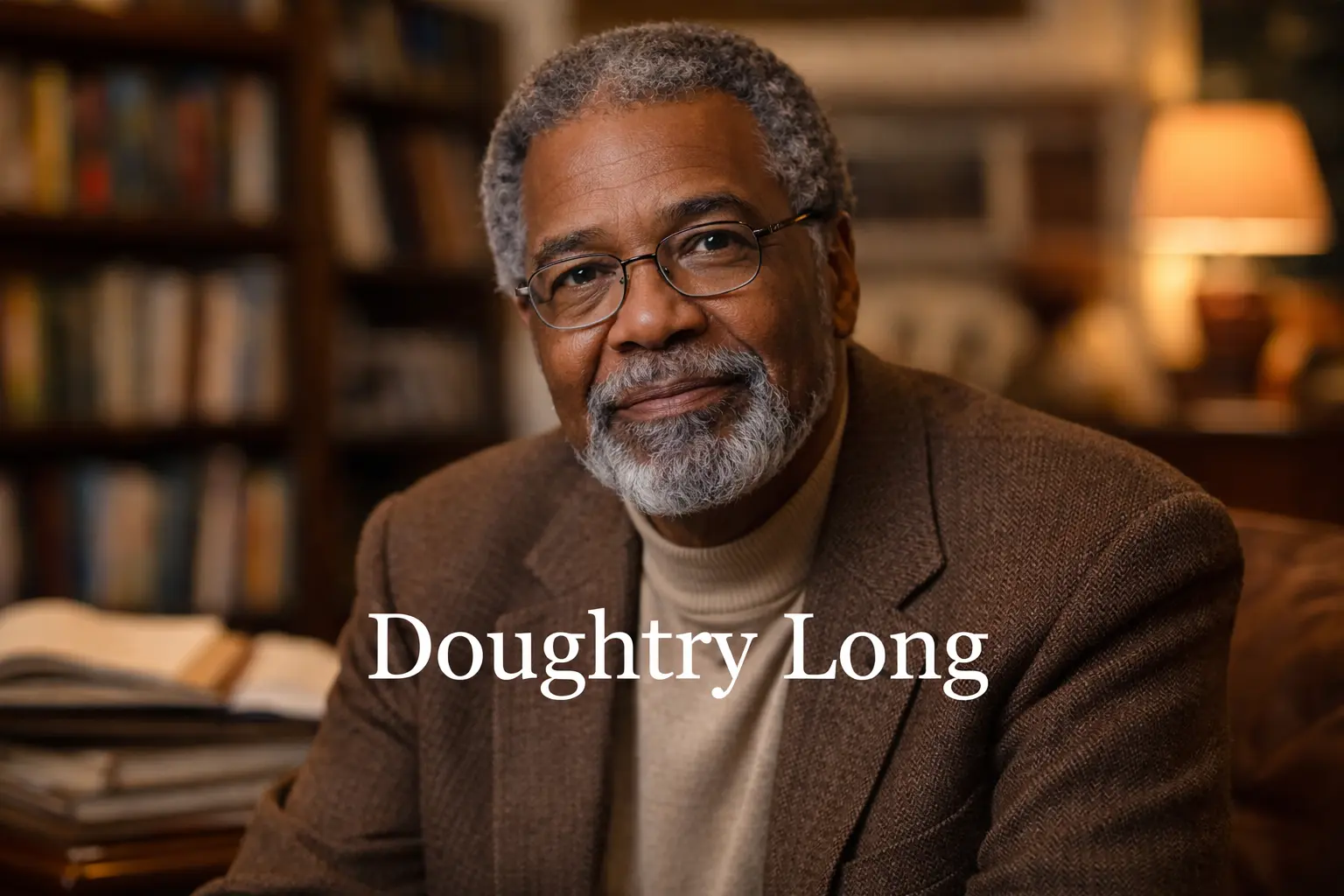
Doughtry Long is often remembered as a man of quiet influence, whose work touched lives in ways that went beyond the classroom and the written word. He was an educator, poet, mentor, and father whose life story is a testament to the power of dedication, creativity, and compassion. While many recognize him as the father of actress Nia Long and comedian Sommore, his personal achievements and contributions to education and African American literature stand on their own.
Born in the early 1940s in Atlanta, Georgia, Doughtry Long eventually made his home in Trenton, New Jersey. There, he devoted his life to teaching literature and creative writing, helping students explore both their intellect and emotions. His work emphasized the importance of self-expression, cultural awareness, and resilience. Through poetry and books, he articulated the human experience, blending personal insight with broader cultural commentary.
Quick bio
| Field | Information |
|---|---|
| Full Name | Doughtry Long |
| Date of Birth | March 14, 1942 |
| Place of Birth | Atlanta, Georgia, USA |
| Date of Death | January 27, 2020 |
| Age at Death | 77 |
| Education | West Virginia State College (Undergraduate and Master’s Degree) |
| Profession | Educator, Poet, Author, Mentor |
| Teaching Career | Trenton Central High School – 30+ years teaching literature & creative writing |
| Notable Works | Black Love, Black Hope; Rules for Cool; Song for Nia |
| Family | Married to Talita Long; Father of Nia Long and Sommore |
| Areas of Influence | Education, African American literature, mentorship, poetry |
| Awards/Recognition | Community recognition for literary and educational contributions |
| Legacy | Inspired generations of students; promoted creativity, culture, and education |
Early Life and Family Background
Doughtry Long was born on March 14, 1942, in Atlanta, Georgia. His early childhood was shaped by a loving family and a strong sense of community. Doughtry grew up in Trenton, New Jersey, where he attended local schools. Even as a child, he exhibited curiosity, intelligence, and a deep interest in literature. These traits would later define his professional and personal life.
Family played an important role in Doughtry Long’s life. He was raised with strong values of hard work, respect, and cultural awareness. These lessons stayed with him throughout his life and became central to how he approached teaching and mentoring. The environment in which he grew up also exposed him to the challenges and triumphs of African American communities in the mid-20th century, shaping his perspective as both an educator and a poet.
Education and Formative Years
Doughtry Long attended West Virginia State College, where he earned his undergraduate degree. During this time, he immersed himself in literature, writing, and the study of African American culture. He later completed a master’s degree, further refining his knowledge and understanding of literature, education, and mentorship.
During his formative years, Long realized the power of education and literature to transform lives. He observed how knowledge, critical thinking, and creativity could empower individuals and communities. This insight would later define his teaching philosophy: education is not just about facts and grades but about nurturing minds, inspiring imagination, and building confidence.
Long also drew inspiration from prominent African American writers and poets of his era. Figures like Langston Hughes, Gwendolyn Brooks, and Maya Angelou influenced his writing style, which combined personal storytelling with cultural reflection. This foundation allowed him to become both a skilled teacher and a compelling poet.
Career as an Educator
Doughtry Long spent more than three decades teaching literature and creative writing at Trenton Central High School. His classroom was a space where students learned not only about literature but also about life, culture, and self-expression. Doughtry Long was known for his unique ability to connect with students, making them feel seen, heard, and valued.
Many students describe him as a teacher who inspired confidence and curiosity. He encouraged critical thinking, creative writing, and personal exploration. Beyond academics, he taught lessons about resilience, empathy, and cultural identity. He believed every student had potential, and his role was to help them discover it.
Doughtry Long also contributed to community education programs. He helped create initiatives such as the Phoenix Literary Magazine and supported African American Studies programs in local schools. He worked with students in unconventional settings, including correctional facilities and after-school programs, demonstrating that education and guidance could reach those who needed it most.
Case Study: A former student recalls how Doughtry Long encouraged a struggling teen to submit a poem to a local literary magazine. That poem later won an award, giving the student newfound confidence and the motivation to pursue a college education.
Long’s teaching philosophy focused on practical and emotional growth. He emphasized that knowledge should be applied, creativity should be nurtured, and self-expression should be celebrated. This holistic approach made him one of the most respected educators in his community.
Contributions as a Poet and Author
Doughtry Long was also a prolific poet and author. His writings reflect a deep understanding of the human experience, often exploring themes such as love, hope, family, identity, and cultural heritage. Among his notable works are Black Love, Black Hope, Rules for Cool, and Song for Nia.
His poetry combines emotional honesty with cultural insight, making it accessible and relatable to readers from all backgrounds. Doughtry Long used his writing as a way to connect with people beyond his classroom. He believed that literature could inspire, heal, and educate simultaneously.
His style was characterized by clarity, depth, and emotional resonance. Unlike some poets who write for purely artistic expression, Long’s poetry aimed to teach lessons, provoke thought, and inspire action. His work has been included in literary journals and anthologies, contributing to African American literature and American poetry as a whole.
Personal Life and Parenting
Doughtry Long was a devoted family man. He was married to Talita Long, and together they raised three daughters. Among them, Nia Long became a successful actress, known for films such as The Best Man and Soul Food, while Sommore became a prominent comedian.
Long’s parenting style mirrored his teaching philosophy. He emphasized education, creativity, respect, and perseverance. He encouraged his children to pursue their passions while staying grounded in strong family values. His home was filled with encouragement, love, and the expectation that his children should strive to be their best selves.
He balanced discipline with empathy, always taking time to mentor and guide. Stories from his daughters and students show that his influence extended far beyond the classroom. He taught lessons about life, culture, and self-expression that shaped not only careers but also character and values.
Impact on Students and Community
The influence of Doughtry Long extended far beyond his family. He transformed the lives of countless students, helping them discover their potential and guiding them toward opportunities they may not have otherwise pursued. Many students credit him with instilling confidence, a love of learning, and a belief in their own abilities.
Community members also remember him for his dedication to cultural education and literacy. He encouraged young people to explore African American history, literature, and identity, helping them develop a sense of pride and awareness. Through mentoring programs, community workshops, and literary initiatives, Long demonstrated that educators could have a profound impact on both individuals and the broader community.
Legacy in Literature and Education
Doughtry Long’s legacy is multifaceted. As an educator, he transformed classrooms into spaces of exploration, growth, and inspiration. As a poet, he enriched African American literature with works that reflected cultural identity, emotion, and resilience. As a mentor and father, he nurtured talent and guided the next generation of leaders and artists.
Today, his students and readers continue to draw inspiration from his life and work. His writings remain relevant, offering insights into love, hope, culture, and personal development. Educational programs and literary projects he supported continue to thrive, proving that his influence endures long after his passing.
| Aspect | Contribution |
|---|---|
| Educator | 30+ years teaching literature and creative writing |
| Poet & Author | Notable works include Black Love, Black Hope and Rules for Cool |
| Community Mentor | Developed programs like Phoenix Literary Magazine |
| Family Influence | Father of Nia Long and Sommore, instilled values and guidance |
| Cultural Impact | Promoted African American literature and identity awareness |
Death and Tributes
Doughtry Long passed away on January 27, 2020, at the age of 77. His passing was a profound loss for his family, students, and community. Tributes highlighted his dedication, kindness, and impact as a teacher, poet, mentor, and father.
His daughter Nia Long shared public reflections on his life, describing him as a man who valued education, creativity, and love above all else. Students and community members continue to honor him through literary programs, educational initiatives, and personal stories about his mentorship.
Frequently Asked Question
1.Who was Doughtry Long?
Doughtry Long was an educator, poet, and mentor known for teaching literature and creative writing, and he is also the father of Nia Long and Sommore.
2.What did Doughtry Long write?
He authored poetry and books such as Black Love, Black Hope, Rules for Cool, and Song for Nia, exploring themes of love, identity, culture, and hope.
3.Where did Doughtry Long teach?
He taught at Trenton Central High School for more than 30 years and contributed to community programs and alternative education initiatives.
4.How did he influence students?
He inspired confidence, creativity, and a love of learning, often mentoring students beyond the classroom.
5.When did Doughtry Long pass away?
He passed away on January 27, 2020, at the age of 77.
Conclusion
Doughtry Long’s life exemplifies the lasting impact one person can have through dedication, creativity, and mentorship. He was more than an educator or poet; he was a guide, a voice of inspiration, and a source of hope for his students, community, and family. His teachings, writings, and values continue to influence those who encounter them, proving that true legacy is measured not in fame but in the lives touched and the minds inspired. Doughtry Long’s story reminds us of the enduring power of education, art, and compassion in shaping a better world.
Read More: Kate Connelly: A Comprehensive Look at Her Life, Career, and Legacy in Food Media