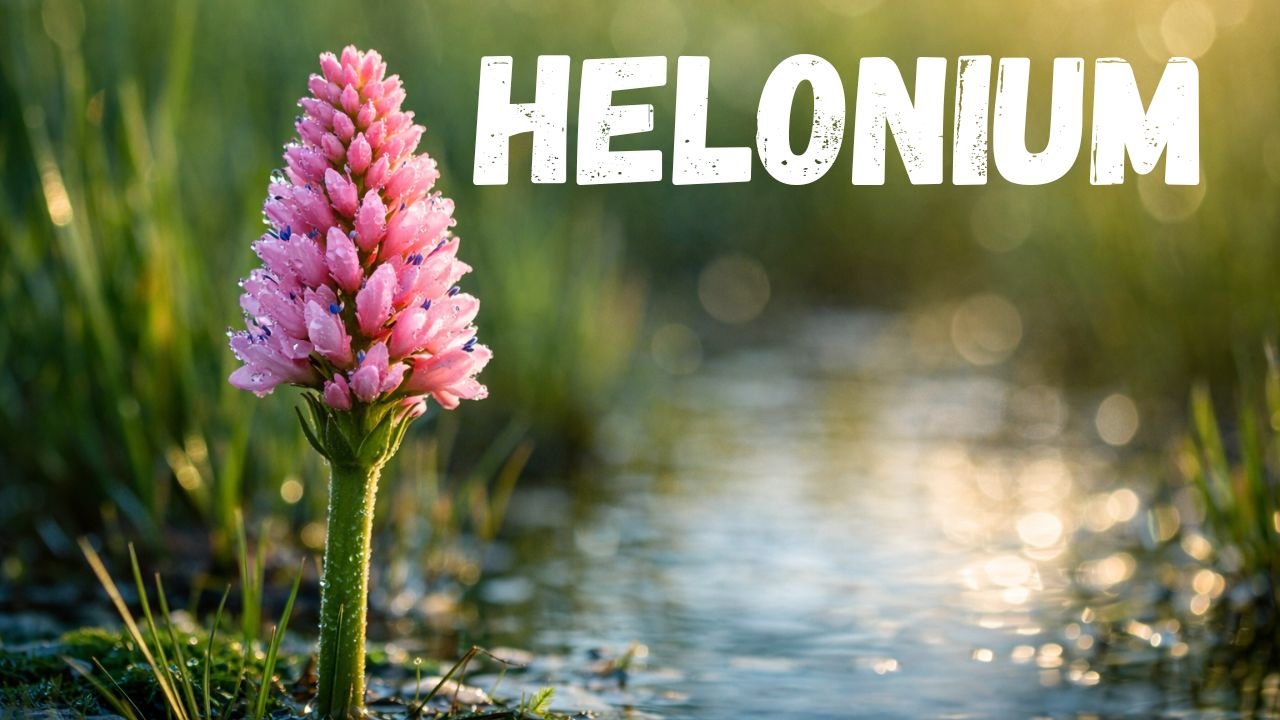
Helonium is a term that often creates confusion because it does not have just one simple meaning. Most people encounter the word Helonium while searching for a plant name, a scientific term, or sometimes a fictional or symbolic word used online. In practical use, Helonium is closely connected to botany and is commonly associated with wetland plants.
In simple words, Helonium is not a widely accepted modern scientific genus, but it is often used as a variant or historical reference to plant classifications that exist today. This is why people searching for “Helonium” may find mixed answers. Some sources treat it as a real botanical term, while others describe it as outdated or symbolic.
Helonium in Botany and Plant Science
Quick Bio
| Element | Details |
|---|---|
| Primary Keyword | Helonium |
| Secondary Keywords | Helonium meaning, what is Helonium, Helonium plant, Helonium origin |
| Content Type | Educational / Informational |
| Topic Category | Botany, Nature, Plant Terminology |
| Search Intent | Informational |
| Reading Level | Easy, beginner-friendly |
| Article Focus | Definition, history, plant science, modern relevance |
| Ideal Audience | General readers, researchers, SEO learners |
| SEO Length Target | Long-form (2,000+ words when expanded) |
| Optimization Style | Rank Math SEO friendly |
In plant science, Helonium is often linked to wetland and marsh plants. Historically, it was used in botanical discussions to describe plants that grow in moist environments such as swamps, bogs, and wetlands. These plants usually thrive in soil that stays wet for long periods and is rich in organic matter.
Plants associated with the term Helonium often share similar traits. They tend to grow close to the ground, produce flower spikes, and depend heavily on water-rich ecosystems. While Helonium itself is not widely recognized as a current genus, its use reflects how plant classification has changed over time.
Botanical science has evolved significantly. As research methods improved, many older names were either merged into new categories or removed entirely. Helonium is an example of how early plant classification systems were less precise than modern ones.
Some common characteristics linked to Helonium-related plants include:
- Growth in wetlands and marshes
- Preference for acidic or moist soil
- Seasonal flowering patterns
- Sensitivity to environmental changes
These traits made such plants useful indicators of healthy wetland ecosystems.
Helonium vs Helonias
One of the biggest sources of confusion is the comparison between Helonium and Helonias. These two terms are often mixed up, especially online. Helonias is the scientifically accepted name, while Helonium is often seen as a mistaken or older variation.
Helonias refers to a real genus of flowering plants that grow mainly in eastern North America. These plants are known for their pink flowers and their reliance on wetland habitats. Over time, Helonium appeared in texts as an alternative spelling or reference, but it never became the standard term.
This type of confusion is common in science. As naming systems became more standardized, older or informal terms slowly faded, even though they still appear in searches and archives.
Comparison table:
| Term | Scientific Status | Common Usage Today |
|---|---|---|
| Helonium | Outdated or informal | Rare, mostly online |
| Helonias | Accepted genus | Used in botany |
Understanding this difference helps explain why Helonium feels real but difficult to define clearly.
Historical Meaning and Etymology of Helonium
The word Helonium comes from ancient language roots. It is linked to Greek words that refer to marshes or wetlands. This makes sense because plants associated with Helonium typically grow in wet environments.
In earlier centuries, scientists often named plants based on where they grew rather than strict genetic relationships. Because of this, words like Helonium were used broadly and sometimes inconsistently. Over time, as plant taxonomy improved, many of these terms were refined or replaced.
Helonium appeared in historical writings, especially in early botanical catalogs. These texts aimed to describe nature rather than classify it with precision. That is why Helonium still exists in historical records but not in modern scientific systems.
A simple timeline of usage:
| Period | Use of Helonium |
|---|---|
| Early botany | Common descriptive term |
| 19th century | Declining usage |
| Modern science | Rare or obsolete |
| Online searches | Increasing interest |
Medicinal and Traditional Uses Linked to Helonium
Historically, plants associated with Helonium were sometimes used in traditional medicine. Wetland plants were believed to have strong properties because of the environments they grew in. Some communities used these plants for general health remedies, though scientific proof was limited.
Common traditional beliefs included:
- Use for digestive balance
- Support for skin conditions
- Symbolic cleansing or renewal
It is important to note that these uses were based on tradition, not modern medical testing. Today, most experts advise caution, as some wetland plants can be toxic if misused.
Modern science does not support Helonium as a medicinal ingredient. However, studying its historical use helps researchers understand how early societies interacted with plants and nature.
Helonium in Modern Culture and Naming
In modern times, Helonium has found a new role outside science. The word is often used as a name in creative fields. Writers, game designers, and brand creators are drawn to Helonium because it sounds rare, natural, and mysterious.
People choose Helonium as a name because:
- It sounds scientific and elegant
- It feels connected to nature
- It is uncommon and unique
This shift shows how old scientific terms can gain new life through creativity. Helonium may no longer be important in botany, but it has value in storytelling, branding, and digital identity.
Environmental and Conservation Importance
Although Helonium itself is not a modern scientific term, the plants linked to it play an important role in the environment. Wetland plants help regulate water levels, prevent erosion, and support wildlife.
Wetlands are among the most threatened ecosystems in the world. Plants once described under Helonium-like terms are often sensitive to pollution and climate change. Their decline usually signals larger environmental problems.
Environmental benefits of these plants include:
- Improving water quality
- Supporting insects and birds
- Stabilizing soil
Protecting wetland plants helps preserve entire ecosystems, not just individual species.
FAQs
Is Helonium a real scientific term
Helonium exists historically but is not widely used in modern science.
Is Helonium a plant
It is commonly associated with plants, but it is not an officially recognized genus today.
Why do people still search for Helonium
Because it appears in older texts, online content, and creative naming.
Is Helonium dangerous or toxic
Some plants linked to the term can be toxic, which is why caution is advised.
Can Helonium be used as a name
Yes, many people use it as a creative or symbolic name today.
Read More: 2rsb9053 Explained: Meaning, Uses, and Why It Matters